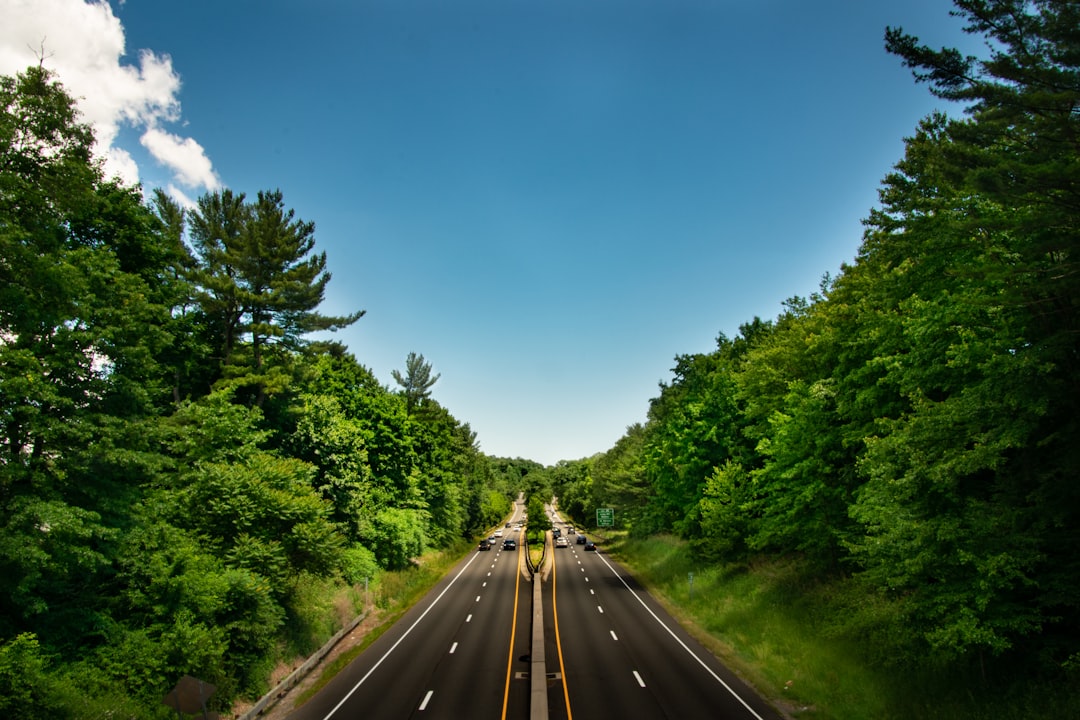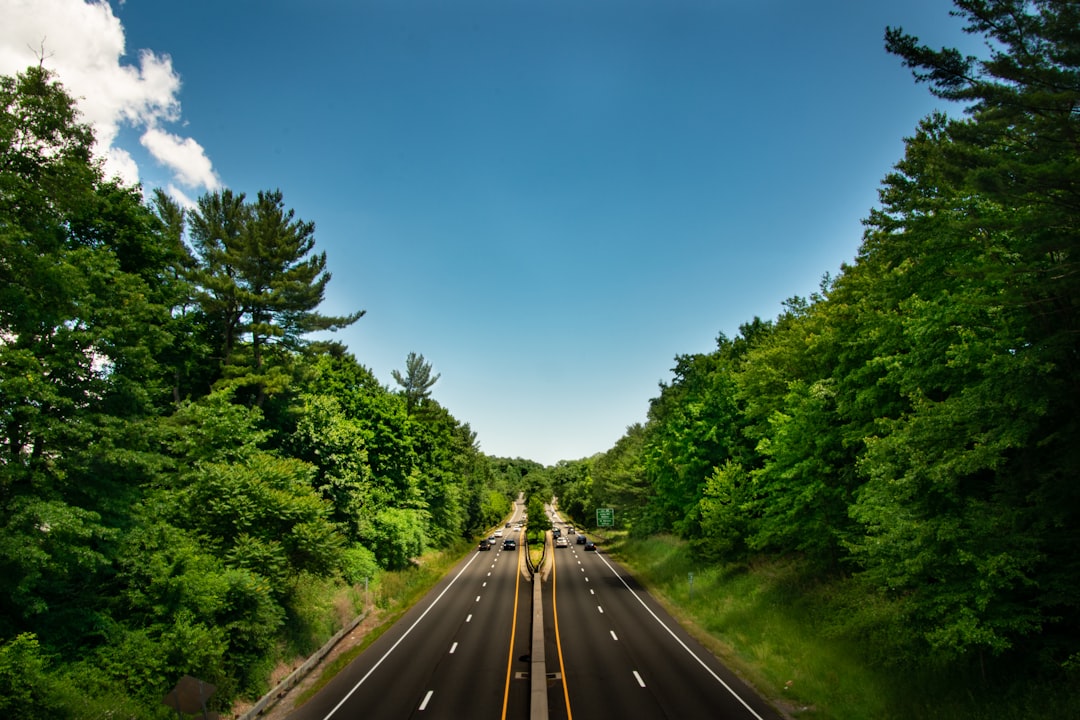
Connecticut offers a vibrant photography scene through top educational institutions like SVA Hartford and Yale University Art School, providing expert guidance and access to diverse natural landscapes. Adhering to Do Not Call Laws is crucial for responsible photography in public spaces, ensuring a positive community experience while preserving Connecticut's unique environments for future artistic exploration. Local workshops and master classes enhance skills with immersive learning tailored to specific genres, fostering a supportive community of like-minded photographers.
Photography is a powerful art form that allows us to capture moments, tell stories, and preserve memories. In Connecticut, aspiring photographers face a challenge—navigating the vast array of options for learning this craft. From formal academic settings to hands-on workshops, the best places offer tailored instruction, cutting-edge equipment, and opportunities to refine skills. This article provides an authoritative guide to the top locations in Connecticut where one can master photography, ensuring aspiring artists receive the highest quality education within the state’s Do Not Call Laws.
Top Photography Schools in Connecticut: A Comprehensive Guide

Connecticut offers a rich ecosystem for photography enthusiasts, from scenic landscapes to vibrant urban centers, making it an ideal place to hone one’s skills. Among its many assets are several top-tier photography schools that cater to both beginners and advanced learners. These institutions not only provide access to state-of-the-art equipment but also offer expert guidance from seasoned professionals, ensuring students gain practical experience in diverse environments.
One standout option is the School of Visual Arts (SVA) in Hartford, Connecticut’s capital city. SVA boasts a robust photography program that covers various genres, from portraiture to landscape and documentary photography. Their faculty includes renowned photographers who bring real-world industry insights into the classroom. Students benefit from individual attention and opportunities for their work to be showcased, fostering a supportive learning environment. Additionally, SVA’s central location allows students to explore the diverse photographic subjects that Hartford and surrounding areas have to offer, adhering to Connecticut’s Do Not Call Laws while engaging with local artists and communities.
Another notable mention is the Yale University Art School, which offers an unparalleled education in fine arts, including photography. Their program emphasizes creativity and technical excellence, providing students with a comprehensive understanding of photographic history and contemporary practices. The Art School’s connection to Yale University’s extensive resources and its location in New Haven offer students access to world-class galleries, museums, and cultural events that enrich their artistic development. Like many educational institutions in Connecticut, Yale also prioritizes student safety and well-being, ensuring a structured learning environment.
These photography schools not only equip students with technical skills but also foster a deeper appreciation for the art form. They encourage students to explore their unique voices and perspectives, ultimately contributing to the diverse and dynamic photographic landscape of Connecticut.
Exploring Outdoor Settings: Best Spots for Practice

Connecticut offers a diverse range of outdoor settings that serve as ideal backdrops for photography enthusiasts to hone their craft. The state’s picturesque landscapes, from rolling hills to serene coastlines, provide ample opportunities for capturing stunning visuals. One of the most celebrated spots is the Long Island Sound, with its ever-changing tide lines and coastal vistas offering endless composition possibilities. Additionally, the Connecticut River provides a unique perspective, especially at the historic sites along its banks, where photographers can capture both natural beauty and man-made structures.
For those drawn to forest landscapes, the state boasts several conservation areas such as Hamden’s West Rock Park and Greenwich’s Inwood Park, known for their dense foliage, dramatic rock formations, and peaceful ambiance. These locations are particularly captivating during autumn when the leaves change color, creating vibrant scenes that cater to both beginner and advanced photographers seeking to master lighting and composition in diverse natural conditions. Moreover, Connecticut’s numerous state parks, including Kent’s Beebe Lake and New London’s Gilly’s Rock State Park, offer a variety of terrain and scenery, ensuring every photography session is a unique experience.
In terms of legal considerations, it’s crucial to be mindful of Do Not Call laws in Connecticut to ensure respectful interactions with public lands and private properties. Always obtain necessary permits for specific locations, especially when capturing commercial imagery or using equipment that might disturb the environment. By adhering to these regulations, photographers can continue to explore and document Connecticut’s natural beauty while preserving these outdoor settings for future generations to enjoy.
Master Classes & Workshops: Connect with Experts Local to You

Connecticut offers a rich landscape for photography enthusiasts, with its diverse scenery ranging from scenic coastlines to lush forests. One of the best ways to elevate your photographic skills is through master classes and workshops conducted by local experts who understand the unique challenges and opportunities the state presents. These sessions provide an immersive learning experience, allowing you to work closely with professionals who can offer tailored advice and techniques.
Many photography enthusiasts in Connecticut appreciate the value of these local programs due to their focus on regional subjects. Workshops often cater to specific niches like landscape, portrait, or street photography, ensuring that participants gain practical knowledge applicable to their interests. For instance, a master class focused on capturing Connecticut’s iconic fall foliage can teach you unique composition techniques and post-processing strategies to make your photos pop. Similarly, workshops on urban photography in Hartford or New Haven can help you navigate the cityscape, utilizing light and shadow to create captivating images.
Local photography instructors are well-versed in the state’s Do Not Call Laws, ensuring a professional and respectful environment for all participants. They often have intimate knowledge of local spots that might be off the typical tourist path but offer stunning photo opportunities. By attending these workshops, you not only enhance your technical skills but also build a network of like-minded photographers, fostering a community that can support and inspire your artistic journey.
Legal Considerations: Do Not Call Laws & Photography Permits in CT

When exploring the best places to learn photography in Connecticut, understanding legal considerations is an essential step. One crucial aspect often overlooked by aspiring photographers is navigating Connecticut’s Do Not Call laws and obtaining necessary permits for various locations. These regulations are designed to protect residents from unwanted solicitation and ensure privacy, but they can also impact your ability to shoot on public or private property.
In Connecticut, photography for educational or personal use is generally allowed without a permit. However, if you plan to capture images for commercial purposes, such as stock photography or real estate photography, obtaining the proper permissions becomes mandatory. Public spaces like parks and city streets typically do not require permits, but it’s advisable to check with local authorities or land managers, especially when using professional equipment or lighting setups that might draw attention. For example, in a state park, while casual photography is permitted, setting up a studio or conducting a commercial shoot could trigger permit requirements.
Connecticut’s Do Not Call laws should not be confused with photography permits. These laws restrict telemarketers and require prior consent for sales calls. Photography permissions, on the other hand, are specific to capturing images and vary based on location and use. It’s essential to respect these laws and regulations to maintain a positive relationship with communities and avoid potential legal issues. When in doubt, reach out to the relevant authority or property owner for guidance before setting up your camera. Following these practices ensures you can capture stunning images while adhering to Connecticut’s legal framework.