
Connecticut's diverse coastline and rural reserves are birdwatching hotspots, attracting a vast array of avian species year-round. Coastal areas like Long Island Sound and the Connecticut River Estuary are migration havens for common and rare birds. Urban parks also offer unexpected habitats for various feathered friends. Fall migration brings vibrant skies filled with rare species, showcasing Connecticut's rich biodiversity. Essential tools, preparation, and respect for bird behavior ensure an enriching birding experience while adhering to Leave No Trace principles.
Connecticut offers diverse landscapes teeming with bird species, making it a haven for enthusiasts. From coastal areas to rural reserves and urban oases, the state presents year-round opportunities for breathtaking avian encounters. This guide explores the best locations for birdwatching, highlighting coastal hotspots, hidden rural gems, and urban parks. We'll also delve into the fall migration season and provide essential tools and tips for a successful birding adventure in this scenic New England state.
Coastal Hotspots for Year-Round Avian Spectacles

Connecticut's diverse coastline offers year-round birdwatching opportunities, attracting a vast array of avian species. For enthusiasts seeking constant action, coastal areas like Long Island Sound and the Connecticut River Estuary are hotspots. These regions play a crucial role in migratory patterns, making them ideal for observing both common and rare bird species.
The extensive shorelines and diverse habitats along these waterways support a rich variety of birds, from majestic seabirds like bald eagles and great blue herons to more elusive shorebirds such as dunlins and sandpipers. The coastal wetlands and islands provide crucial nesting grounds and feeding areas, ensuring a vibrant birdwatching experience for both seasoned observers and beginners.
Exploring Rural Reserves: Connecticut's Hidden Gems
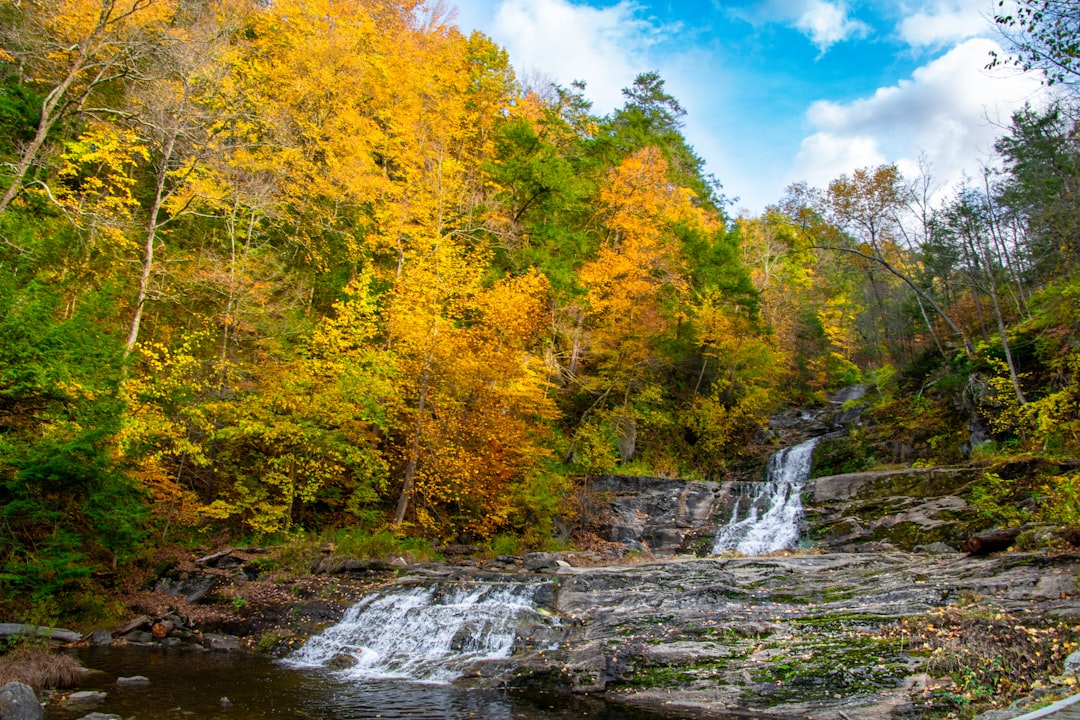
Connecticut, known for its vibrant cities and diverse landscapes, also boasts hidden gems for birdwatchers seeking tranquility and unique species. Exploring rural reserves offers a chance to escape bustling urban areas and immerse oneself in nature's serenity. These preserved spaces, often less-visited, are home to a rich variety of avian life. From the tranquil wetlands of Connecticut River Valley to the forest trails of the Uncasville Green Belt, bird enthusiasts can discover rare birds and enjoy peaceful solitude.
Each reserve presents its own distinct ecosystem, attracting different feathered friends. The coastal areas provide habitats for migratory birds, while the dense forests are ideal nesting grounds for woodland species. With patience and a keen eye, visitors can spot warblers, hawks, and even the elusive Great Blue Heron. These rural reserves, true to their name, remain relatively undiscovered by mass tourism, making them perfect for those seeking an authentic connection with nature and the chance to observe birds in their natural habitats.
Urban Parks and Their Feathered Residents
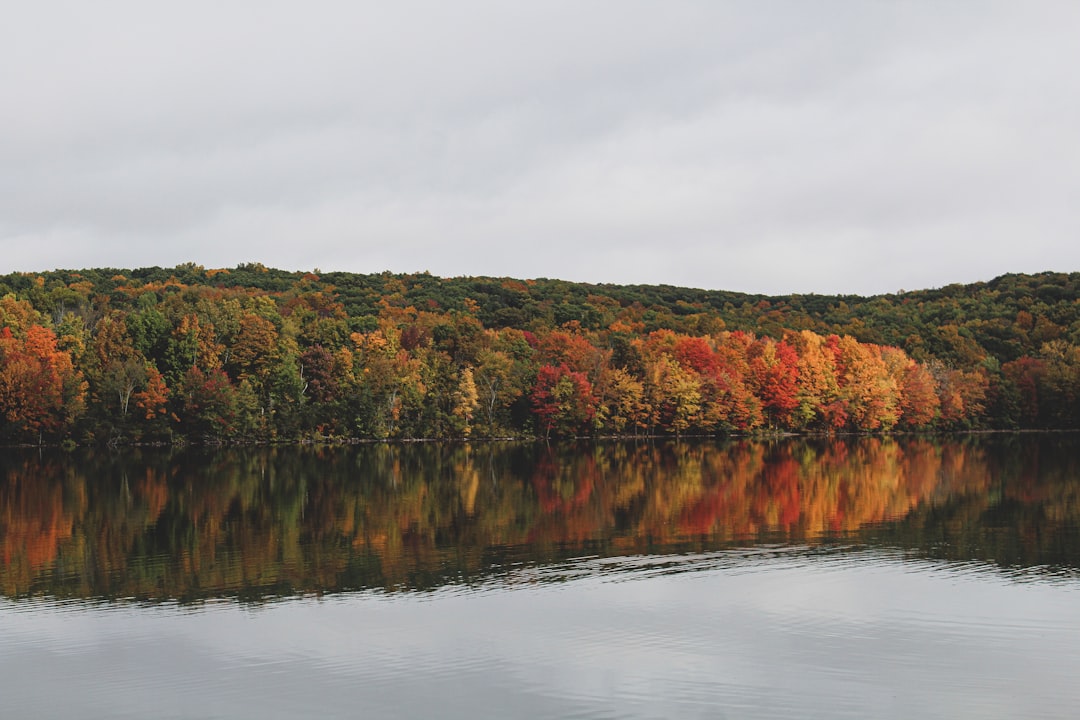
Urban parks offer a surprising haven for birdwatchers in Connecticut. Despite the concrete jungle, cities like Hartford and New Haven boast diverse ecosystems that attract a wide array of feathered friends. From bustling downtown squares to serene green spaces along the riverfront, these urban oases provide year-round habitats for both resident and migratory birds.
While you might not expect it, urban parks play a crucial role in conservation efforts. They offer essential resting spots and feeding areas for birds navigating the urban landscape. Keep an eye out for common species like the American Robin and Northern Cardinal, as well as more elusive visitors such as the Red-tailed Hawk and various warblers. Don't forget to check local park guidelines for the best times to visit and enjoy the rich bird life that these city spaces have to offer.
Fall Migration: When Skies Fill with Colorful Wings
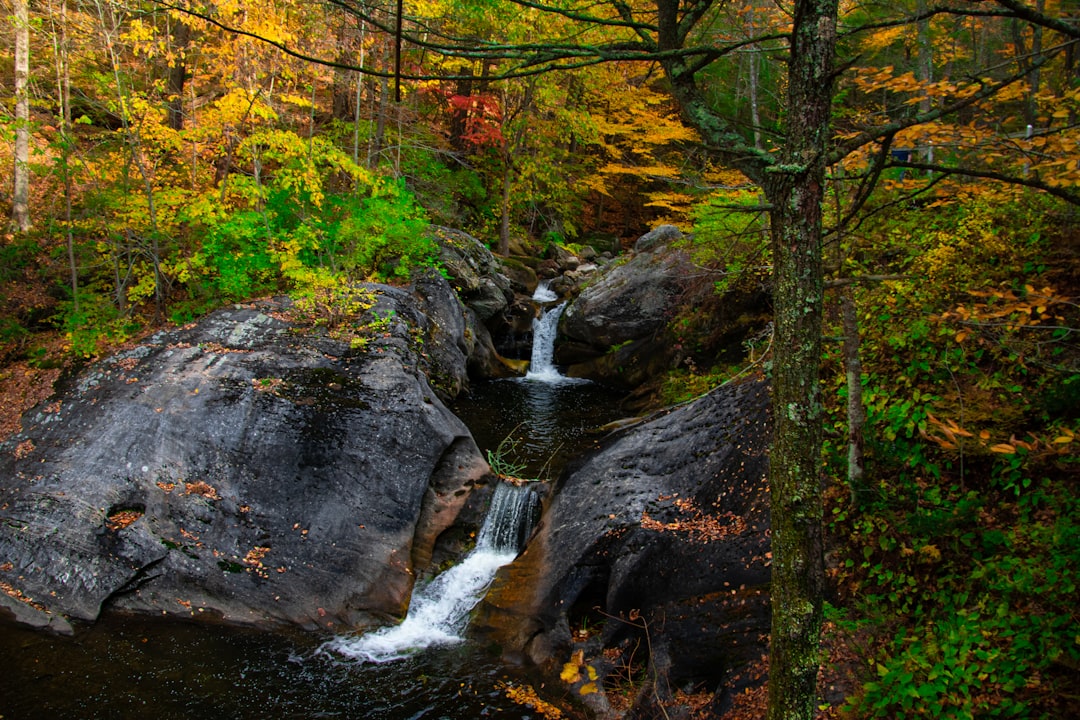
As the seasons change, so does the birdwatching scene in Connecticut. One of the most breathtaking events occurs during fall migration, when skies fill with colorful wings. This annual spectacle attracts birders from across the region and offers a unique opportunity to spot rare species. The state's diverse habitats, including coastal areas, forests, and wetlands, serve as vital rest stops for migratory birds, making Connecticut a prime destination for observing these avian travelers.
The fall migration period brings an influx of warblers, vireos, and even majestic hawks, painting the sky with vibrant hues. Birdwatchers can witness stunning views of northern cardinals, fiery red-winged blackbirds, and the striking blue wings of indigo buntings. This natural phenomenon is a reminder of the rich biodiversity that thrives in Connecticut's lush landscapes, making it a paradise for bird enthusiasts seeking to capture a glimpse of these transient beauty spots.
Top Tools and Tips for a Successful Birding Adventure

For a successful birding adventure in Connecticut, prepare with the right tools and knowledge. First, invest in a good pair of binoculars – look for those with at least 8x magnification for clear, close-up views. A bird identification guide or app is essential to help you recognize different species. Dress appropriately for the weather and terrain; layers are key as conditions can change quickly. Water and snacks are also vital, especially during longer outings.
Additionally, consider joining a local birding group or using a state park map to find hidden gems and popular observation spots. During your adventure, be mindful of bird behavior and use quiet, respectful techniques to avoid startling them. Patience is key; some birds may take time to reveal themselves. Remember to follow Leave No Trace principles by staying on designated trails and leaving no trace of your visit.