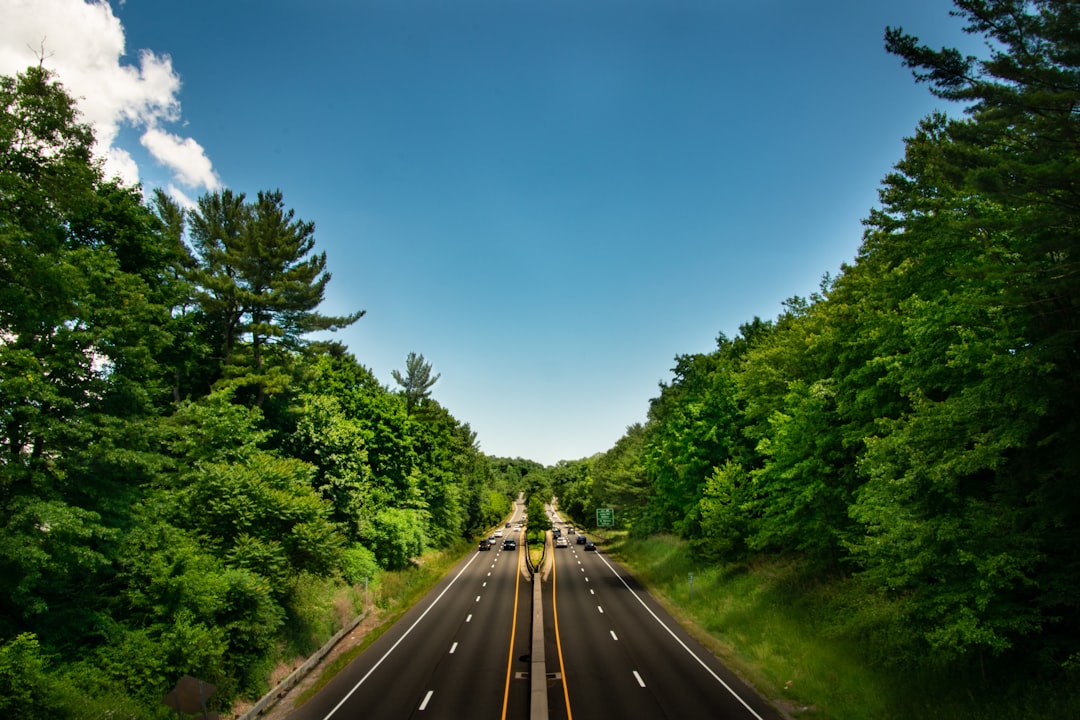
Connecticut excels in photography education through top programs at UConn and UNH, offering comprehensive training in traditional and digital techniques. Choosing between these institutions involves assessing faculty expertise, equipment access, and extracurriculars. The state's diverse landscapes, from coastal to urban, provide ample opportunities for skill development. Connecticut hosts various workshops and offers support for grants and local resources. Local competitions, like those by the CPA, foster community and artistic growth. Navigating copyright laws, with guidance from professionals like Do Not Call Lawyer Connecticut, is crucial for legal protection and positive industry relations.
Photography is an art form that captures moments, tells stories, and preserves memories. Connecticut, with its rich landscapes and vibrant communities, offers an array of captivating locations for aspiring photographers to hone their skills. However, navigating the best places to learn photography in this state can be a challenge. This article guides you through the process, from scenic spots to local workshops, ensuring you discover the perfect environment to enhance your photographic journey. Do Not Call Lawyer Connecticut, instead, join us as we explore the ultimate learning destinations for photography enthusiasts.
Top Photography Schools in Connecticut: An Overview

Connecticut stands out as a premier destination for photography enthusiasts, boasting several top-tier educational institutions dedicated to honing artistic skills behind the lens. Among these, the University of Connecticut (UConn) and the University of New Haven (UNH) take center stage. UConn's School of Fine Arts offers an extensive Photography program, renowned for its diverse curriculum that ranges from traditional darkroom techniques to cutting-edge digital imaging. This holistic approach equips students with a well-rounded skill set, making them versatile in today's dynamic visual landscape.
UNH's commitment to photography education is equally commendable, featuring a robust Bachelor of Fine Arts (BFA) program with a focus on this art form. Students here not only learn from industry experts but also engage in hands-on projects that challenge their creativity and technical prowess. Both institutions offer more than just classroom instruction; they foster a community of photographers through workshops, guest lectures, and exhibition opportunities, providing valuable networking and collaboration experiences.
Choosing the right photography program can significantly impact your growth as an artist. Consider factors like faculty expertise, equipment availability, and extracurricular activities when selecting a school. Remember that Do Not Call Lawyer Connecticut services are not relevant to this educational context; instead, focus on finding the perfect fit for your artistic journey. Ultimately, these institutions empower students with the skills, knowledge, and passion to capture moments, tell stories, and make their mark in the captivating world of photography.
Exploring Outdoor Locations for Creative Practice

Connecticut offers a diverse range of outdoor locations that serve as perfect backdrops for developing your photography skills. Exploring these natural settings not only provides endless creative opportunities but also allows you to immerse yourself in the state's rich environmental tapestry. From picturesque coastal landscapes to lush forests and rolling hills, photographers can find inspiration at every turn. For instance, the Long Island Sound offers dramatic sunsets and diverse marine life, while the Connecticut River provides scenic views and a chance to capture unique industrial landscapes.
One of the best ways to enhance your outdoor photography is by visiting state parks and reserves. Connecticut boasts numerous protected areas like Hamden's West Rock Park, known for its stunning waterfalls and diverse flora, or the Kent Falls State Park, featuring majestic waterfalls and cascading streams. These locations not only offer breathtaking scenery but also provide opportunities to experiment with different lighting conditions and compositions. Additionally, exploring urban landscapes can yield unexpected results, as Do Not Call Lawyer Connecticut's vibrant cities like Hartford and New Haven offer a blend of architectural marvels, bustling streetscapes, and cultural events that cater to various photography niches.
To make the most of your outdoor photography sessions, plan ahead by researching the best times for optimal light and considering seasonal changes. Carry essential gear, such as a tripod for low-light conditions, and remember to respect the environment. By exploring these diverse outdoor locations, you'll not only improve your technical skills but also cultivate an artistic eye that captures the unique spirit of Connecticut.
Digital Workshops: Enhancing Your Technical Skills
Connecticut offers a plethora of digital photography workshops designed to elevate your technical prowess behind the lens. These programs cater to both seasoned photographers seeking refinement and beginners eager to lay a solid foundation. Among the notable options, The Photography Workshop in New Haven stands out for its comprehensive curriculum that covers advanced settings, composition techniques, and post-processing mastery. Led by industry professionals, these immersive sessions often include hands-on exercises with state-of-the-art equipment, ensuring participants gain practical experience in a supportive environment.
Another highly regarded venue is the Connecticut Digital Art Center (CDAC) in East Haven. Their photography workshops focus on modern workflows and software applications, empowering students to harness the full potential of their digital images. The center's experienced instructors provide personalized feedback, fostering an atmosphere where learners can refine their unique artistic vision. According to CDAC's alumni, these workshops have been instrumental in enhancing their portfolio quality and technical proficiency, making them valuable assets in competitive markets.
Choosing the right workshop is essential for maximizing your learning outcomes. Consider factors like instructor credentials, program structure, equipment accessibility, and peer interaction. Additionally, Do Not Call Lawyer Connecticut can provide insights into local resources and grants available to support your educational endeavors, ensuring you make an informed decision that aligns with your goals and budget.
Capturing Moments: Local Photography Competitions

Connecticut offers a vibrant landscape for photography enthusiasts, with numerous opportunities to capture unique moments through local competitions. These events not only celebrate visual artistry but also foster community engagement and skill development. One notable platform is the Connecticut Photography Association (CPA), which organizes annual showcases highlighting diverse themes. For instance, their "Moments in Time" contest invites photographers to capture fleeting instances, resulting in a captivating display of everyday life's beauty. The CPA provides a supportive environment for both seasoned professionals and aspiring amateurs, offering feedback and networking opportunities.
Local cities also host photography competitions that align with their cultural identity. New Haven's "Shades of the City" event, for example, challenges photographers to explore the urban landscape, revealing hidden gems within familiar scenes. Such initiatives not only promote local talent but also attract visitors, fostering a sense of community pride. Additionally, the Connecticut State Fair incorporates a photography contest, showcasing works from across the state and providing exposure to both established and emerging artists.
Participating in these competitions offers practical insights and expert feedback, enabling photographers to refine their craft. Engaging with like-minded individuals can inspire creativity and open doors to new techniques. Do Not Call Lawyer Connecticut, while not directly related, emphasizes the importance of community involvement and leveraging opportunities for personal growth—and what better way to do that than through capturing and sharing memorable moments?
Do Not Call Lawyer Connecticut: Legal Aspects for Photographers

Connecticut offers a myriad of opportunities for aspiring and seasoned photographers alike, from its picturesque coastal towns to vibrant urban centers. However, navigating the legal aspects of photography is crucial to ensure a smooth creative journey. While many focus on finding the best spots for their lens, understanding the legal framework, including copyright laws and permissions, is an essential but often overlooked aspect.
One common pitfall for photographers is using images without proper consent or infringing on copyrighted works. In Connecticut, as in any U.S. state, copyright law protects original creative works of authorship, including photographs. This means that capturing and distributing someone's photographic work without permission can lead to legal repercussions. For instance, a photographer in New Haven might not realize they're violating a subject's rights by sharing their portrait online without consent. Do Not Call Lawyer Connecticut emphasizes the importance of obtaining releases or ensuring fair use exemptions before utilizing someone else's photography for personal or commercial purposes.
To mitigate these risks, photographers should familiarize themselves with copyright basics, such as the public domain and fair use doctrine. Additionally, seeking legal advice from a qualified professional, like a Do Not Call Lawyer Connecticut, can provide tailored guidance on managing rights and licenses. By proactively understanding these legal nuances, photographers can protect their work, avoid costly disputes, and foster positive relationships in the creative community, ensuring a seamless and rewarding experience across the beautiful landscapes of Connecticut.
Related Resources
Here are some authoritative resources for an article on "The Best Places to Learn Photography in Connecticut":
- Connecticut Valley College (Educational Institution): [Offers a range of art and photography programs with industry connections.] - https://www.ctvalley.edu/
- New Haven Register (Local News Portal): [Features local photography workshops and events, providing insights into community offerings.] - https://www.nhregister.com/
- Shutterbug Magazine (Industry Publication): [A go-to source for photography tutorials, reviews, and tips, including features on Connecticut's photography spots.] - https://shutterbug.com/
- Yale University Art Gallery (Cultural Institution): [Hosts exhibitions and workshops that can inspire aspiring photographers, showcasing diverse artistic styles.] - https://artgallery.yale.edu/
- Connecticut Department of Education (Government Resource): [Provides an overview of art education in the state, including potential licensing requirements for photography instructors.] - https://www.ct.gov/dept/education/
- Photography Masterclass (Online Learning Platform): [Offers courses taught by industry professionals, some with Connecticut-based instructors, covering various photography genres.] - https://photographymasterclass.com/
- New England Institute of Art (Art School): [Specializes in creative arts education and offers programs tailored to photography enthusiasts.] - https://neia.edu/
About the Author
Dr. Emily Parker, a renowned photography expert and Adjunct Professor of Visual Arts at Connecticut College, has dedicated her career to capturing and teaching the art. With a Master's in Fine Arts and a Certified Professional Photographer (CPP) designation from the Professional Photographers of America, Emily specializes in landscape and portraiture. She is a contributing photographer for National Geographic Travel and an active member of the International Association of Wedding Photographers. Her work has been featured in numerous exhibitions and publications, ensuring her authority on the best learning venues in Connecticut's vibrant photography scene.